Buy hluk.eu ?
We are moving the project
hluk.eu .
Are you interested in purchasing the domain
hluk.eu ?
domain@kv-gmbh.de · 0541-91531010
Buy hluk.eu ?
Where should I plant it?
You should plant it in a location that receives plenty of sunlight, ideally at least 6-8 hours of direct sunlight per day. Make sure the soil is well-draining and fertile, and consider the mature size of the plant when choosing a location to allow for proper spacing. Additionally, consider the specific needs of the plant, such as its tolerance for wind, shade, or specific soil conditions. **
Where do I plant Blinkroot?
Blinkroot can be planted on any type of grass or jungle grass in the Underground layer or below. It can also be planted on mud blocks. It is important to note that Blinkroot will only grow in areas with low light levels, so it is best to plant it in a dark or dimly lit area. Additionally, Blinkroot can be found naturally growing in the Underground layer, so it can be helpful to look for existing patches to harvest and replant in a desired location. **

Similar search terms for RHS-What-Plant-Where
Top-Angebote
Products related to RHS-What-Plant-Where:
-
RHS Pruning and Training (New Edition): What, When, and How to Prune - Non Fiction - Hardback DKCut with confidence: know when and how to prune your trees and plants with this complete guide from the experts at the RHS. Keep your garden in top shape with the RHS's guide to pruning over 800 plants, shrubs, fruit bushes, ornamental trees, and climbing plants. Clear artworks and step-by-step photographs guide you through some of the simplest – and also more complicated – approaches to keeping your plants in good order. Knowing how to prune and shape plants correctly will help you achieve the best displays of flowers, produce bumper crops of fruit, and help your plants remain disease-free. A practical A-Z approach, organised by plant type, displays detailed information in an easy-to-use format, as well as guides for more specialised techniques. Whether pinch or renovation pruning, or pollaring and topiary, this book has it all.10,99 £*Shipping: 2,99 £Secure redirect to the provider
-
Hodder & Stoughton Where Does it Hurt?: What the Junior Doctor did next by Max PembertonThe sequel to the bestselling Trust Me, I'm a (Junior) Doctor. The junior doctor is back, but working on the streets for the Phoenix Outreach Project. Unfortunately, his first year in a hospital hasn't quite prepared him for it ... He's into his second year of medicine, but this time Max is out of the wards and onto the streets, working for the Phoenix Outreach Project. Fuelled by tea and more enthusiasm than experience, he attempts to locate and treat a wide and colourful range of patients that somehow his first year on the wards didn't prepare him for . . . from Molly the 80-year-old drugs mule and God in a Tesco car park, to middle-class mums addicted to appearances and pain killers in equal measure. His friends don't approve of the turn his career is taking, his mother is worried and the public spit at him, but Max is determined to make a difference. Despite warnings that miracles are rare, and that not everyone's life can be turned around, Max is still surprised by those that can be saved. Funny, touching and uplifting, Max goes from innocence to experience via dustbin-shopping-trips without ever losing his humanity.3,99 £*Shipping: 1,99 £Secure redirect to the provider
-
DK RHS Pruning & Training, RHS Propagating Plants, RHS Pests & Diseases 3 Books Collection SetRHS Pruning & Training, RHS Propagating Plants, RHS Pests & Diseases 3 Books Collection Set: RHS Pruning & Training: Learn how to prune and train fruit bushes, fruit trees, roses, and woody ornamentals with this best-selling plant-by-plant guide - now in its 4th edition. RHS Propagating Plants: Learn how to propagate virtually every type of plant, from fruit trees and ornamental shrubs to exotic orchids and succulents. Packed with hundreds of step-by-step tutorials, this new edition of RHS Propagating Plants is your go-to guide for clear and instructive propagation advice. RHS Pests & Diseases: Have you got a plant with a problem and don't know how to fix it? This unrivalled practical reference is all you need to nurse it back to health.25,99 £*Shipping: 2,99 £Secure redirect to the provider
-
DK RHS Encyclopedia of Garden Design: Be Inspired to Plan, Build, and Plant Your Perfect Outdoor SpaceDo you long to create the garden of your dreams? Turn ideas into reality with this brand new edition of the classic design bible. Whatever the size of your garden space, and whether starting with a blank canvas or renewing an existing garden, this in-depth manual offers fresh, achievable ideas. Produced to the Royal Horticultural Society gold standard by a team of award-winning garden designers, this book will guide you through every stage of the creative and practical process. Learn you to visualize your ideas, develop plans, plot out, build and landscape, select the right plants, and apply the finishing touches to make your garden the ideal reflection of your tastes and creativity. With a refreshed look and extensive new content reflecting current trends, including wildlife-friendly and sustainable practices, this 5th edition of the RHS Encyclopedia of Garden Design combines style with substance and responsibility to help transform your outdoor space.22,99 £*Shipping: 2,99 £Secure redirect to the provider


-
Where is sugar stored in the plant?
Sugar is primarily stored in the plant's vacuoles, which are membrane-bound organelles found in the plant cells. These vacuoles can store sugars, as well as other nutrients and waste products. **
-
Where does the plant have small flies?
The plant has small flies around its flowers and leaves. These flies are often attracted to the nectar and pollen produced by the flowers, and they may also be found around any decaying organic matter on the plant. The presence of small flies can be a natural part of the plant's ecosystem, as they may help with pollination and decomposition. **
-
Where can one buy a cotton plant?
Cotton plants can be purchased from nurseries, garden centers, or online plant retailers. Some specialty agricultural suppliers may also carry cotton plants for those interested in growing them for commercial purposes. It's important to check the specific growing requirements for cotton plants in your region before purchasing, as they thrive in warm, sunny climates with well-drained soil. **
-
Where can one buy a carnivorous plant?
Carnivorous plants can be purchased from specialty plant nurseries, botanical gardens, or online retailers that specialize in exotic plants. Some garden centers or plant shops may also carry a selection of carnivorous plants. It's important to do some research on the specific needs of the carnivorous plant you are interested in, as they require specific growing conditions and care. **

Where can one order free plant seeds?
One can order free plant seeds from various sources such as seed libraries, community seed swaps, and some gardening clubs or organizations. Many public libraries also offer seed lending programs where individuals can borrow seeds for free. Additionally, some seed companies and non-profit organizations offer free seed distribution programs to promote gardening and biodiversity. Online platforms and social media groups dedicated to gardening and seed sharing may also provide opportunities to obtain free plant seeds. **
Where can I buy a tomato plant?
You can buy a tomato plant at your local nursery or garden center. Many home improvement stores also carry a variety of plants, including tomato plants, especially during the spring and summer months. Additionally, you can also purchase tomato plants online from various retailers and have them delivered to your home. **
Top-Angebote
Products related to RHS-What-Plant-Where:
-
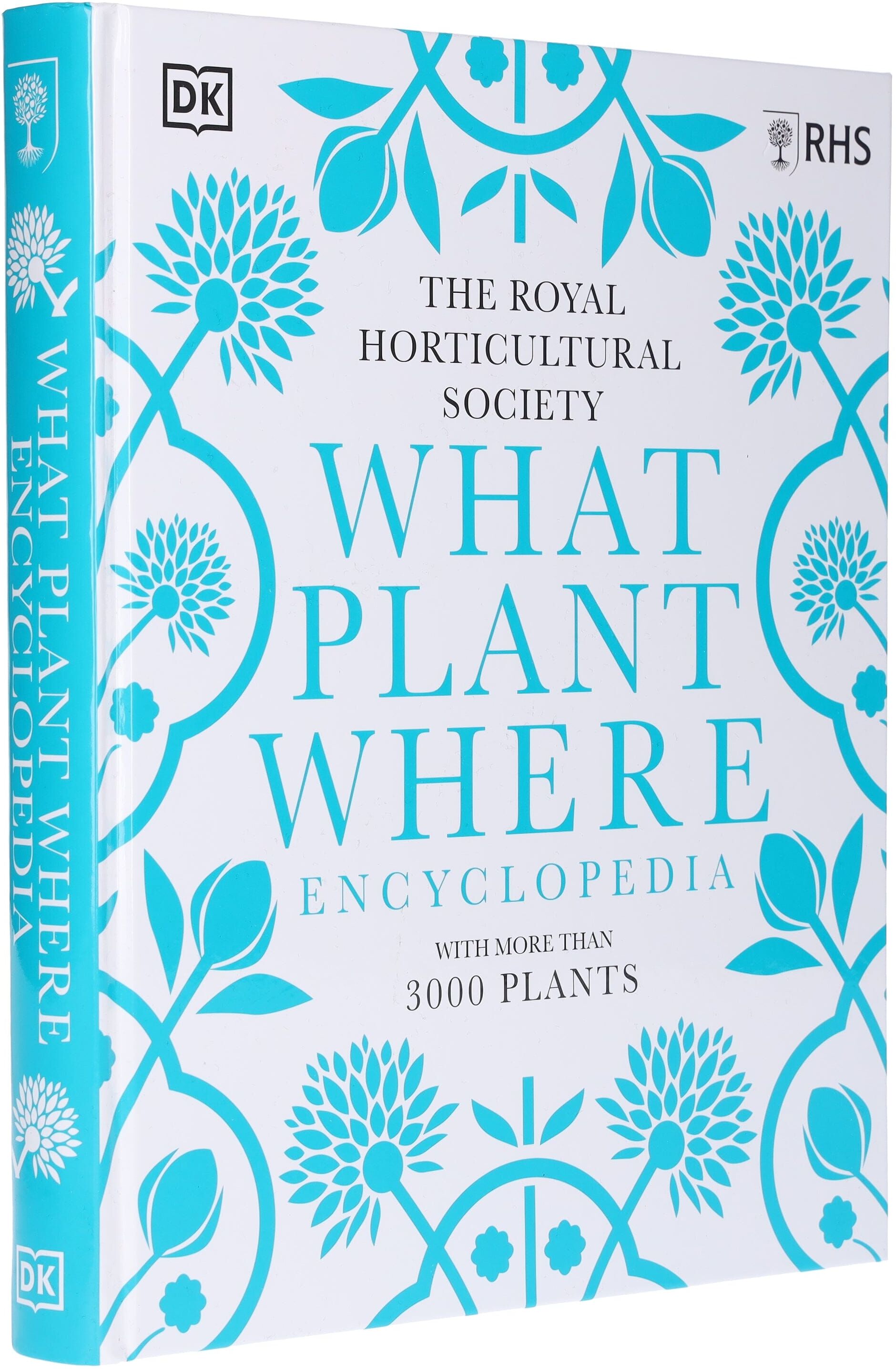
Dorling Kindersley RHS What Plant Where Encyclopedia by The Royal Horticultural Society 9781409382973RHS experts help you find the right plant for every site with this perfect planting guide. Whether your garden is stuck in shade or scorching in the sun; RHS What Plant Where Encyclopedia is full of gardening tips that show you how to plant a garden that really makes the most of your space. Solve your garden problems with simple steps to assess your site and soil and then use the at-a-glance classification guide and photos to choose from over 2;000 plants. Landscape your garden with tips for creating stylish beds or borders and inspirational planting 'recipes'. Plus; a section on fragrant or colourful plants helps transform your garden into your Eden. RHS What Plant Where Encyclopedia is the indispensible guide to perfect planting.11,99 £*Shipping: 2,99 £Secure redirect to the provider
-
RHS: What Plant Where Encyclopedia: by The Royal Horticultural Society - Non Fiction - Hardback PenguinThe perfect planting guide by RHS experts. From a clay border in sun to a shady wall, this gardening book will help you create your dream garden with plants for every site! Featuring over 3000 plants, you'll discover how to get the most out of your gardening space. This beautiful gardening encyclopedia is perfect for beginner gardeners who need reassurance from the RHS to choose the right plant for their garden. Here's what you'll find inside: - Features RHS award-winning varieties of shrubs, hydrangeas, peonies, perennials, roses and many other popular and widely available garden plants - Showcases garden plants for every garden style, as well as flowering plants for year-round colour and problem-solving drought-tolerant plants - "Plant focus" spreads showcase the range of varieties of favourite garden plants, such as roses - Introduction with practical "how-to" gardening advice makes plant care and garden design easy and shows you the best plants for sun and shade Planning a garden has never been more simple! Whether your garden is stuck in shade or scorching in the sun, this gardening guide advises on the best plants for 30 types of locations, and what to plant and where to plant it for special effects. Plus, a section on fragrant or colourful plants helps you create a fabulous outdoor idyll. Solve your garden problems with simple steps to assess your site and soil and then use the at-a-glance classification guide and photos to choose from over 3000 plants. From creating stylish beds or borders, this indispensable guide to planting is packed with useful gardening tips and inspirational planting "recipes" that will show you how to landscape your garden like a pro. RHS What Plant Where Encyclopedia is an essential gardening reference book for every gardener, and a great gardening gift for green-fingered friends and family.10,99 £*Shipping: 2,99 £Secure redirect to the provider
-
RHS Pruning and Training (New Edition): What, When, and How to Prune - Non Fiction - Hardback DKCut with confidence: know when and how to prune your trees and plants with this complete guide from the experts at the RHS. Keep your garden in top shape with the RHS's guide to pruning over 800 plants, shrubs, fruit bushes, ornamental trees, and climbing plants. Clear artworks and step-by-step photographs guide you through some of the simplest – and also more complicated – approaches to keeping your plants in good order. Knowing how to prune and shape plants correctly will help you achieve the best displays of flowers, produce bumper crops of fruit, and help your plants remain disease-free. A practical A-Z approach, organised by plant type, displays detailed information in an easy-to-use format, as well as guides for more specialised techniques. Whether pinch or renovation pruning, or pollaring and topiary, this book has it all.10,99 £*Shipping: 2,99 £Secure redirect to the provider
-
Hodder & Stoughton Where Does it Hurt?: What the Junior Doctor did next by Max PembertonThe sequel to the bestselling Trust Me, I'm a (Junior) Doctor. The junior doctor is back, but working on the streets for the Phoenix Outreach Project. Unfortunately, his first year in a hospital hasn't quite prepared him for it ... He's into his second year of medicine, but this time Max is out of the wards and onto the streets, working for the Phoenix Outreach Project. Fuelled by tea and more enthusiasm than experience, he attempts to locate and treat a wide and colourful range of patients that somehow his first year on the wards didn't prepare him for . . . from Molly the 80-year-old drugs mule and God in a Tesco car park, to middle-class mums addicted to appearances and pain killers in equal measure. His friends don't approve of the turn his career is taking, his mother is worried and the public spit at him, but Max is determined to make a difference. Despite warnings that miracles are rare, and that not everyone's life can be turned around, Max is still surprised by those that can be saved. Funny, touching and uplifting, Max goes from innocence to experience via dustbin-shopping-trips without ever losing his humanity.3,99 £*Shipping: 1,99 £Secure redirect to the provider
-
Where should I plant it?
You should plant it in a location that receives plenty of sunlight, ideally at least 6-8 hours of direct sunlight per day. Make sure the soil is well-draining and fertile, and consider the mature size of the plant when choosing a location to allow for proper spacing. Additionally, consider the specific needs of the plant, such as its tolerance for wind, shade, or specific soil conditions. **
-
Where do I plant Blinkroot?
Blinkroot can be planted on any type of grass or jungle grass in the Underground layer or below. It can also be planted on mud blocks. It is important to note that Blinkroot will only grow in areas with low light levels, so it is best to plant it in a dark or dimly lit area. Additionally, Blinkroot can be found naturally growing in the Underground layer, so it can be helpful to look for existing patches to harvest and replant in a desired location. **
-
Where is sugar stored in the plant?
Sugar is primarily stored in the plant's vacuoles, which are membrane-bound organelles found in the plant cells. These vacuoles can store sugars, as well as other nutrients and waste products. **
-
Where does the plant have small flies?
The plant has small flies around its flowers and leaves. These flies are often attracted to the nectar and pollen produced by the flowers, and they may also be found around any decaying organic matter on the plant. The presence of small flies can be a natural part of the plant's ecosystem, as they may help with pollination and decomposition. **
Similar search terms for RHS-What-Plant-Where
-
DK RHS Pruning & Training, RHS Propagating Plants, RHS Pests & Diseases 3 Books Collection SetRHS Pruning & Training, RHS Propagating Plants, RHS Pests & Diseases 3 Books Collection Set: RHS Pruning & Training: Learn how to prune and train fruit bushes, fruit trees, roses, and woody ornamentals with this best-selling plant-by-plant guide - now in its 4th edition. RHS Propagating Plants: Learn how to propagate virtually every type of plant, from fruit trees and ornamental shrubs to exotic orchids and succulents. Packed with hundreds of step-by-step tutorials, this new edition of RHS Propagating Plants is your go-to guide for clear and instructive propagation advice. RHS Pests & Diseases: Have you got a plant with a problem and don't know how to fix it? This unrivalled practical reference is all you need to nurse it back to health.25,99 £*Shipping: 2,99 £Secure redirect to the provider
-
DK RHS Encyclopedia of Garden Design: Be Inspired to Plan, Build, and Plant Your Perfect Outdoor SpaceDo you long to create the garden of your dreams? Turn ideas into reality with this brand new edition of the classic design bible. Whatever the size of your garden space, and whether starting with a blank canvas or renewing an existing garden, this in-depth manual offers fresh, achievable ideas. Produced to the Royal Horticultural Society gold standard by a team of award-winning garden designers, this book will guide you through every stage of the creative and practical process. Learn you to visualize your ideas, develop plans, plot out, build and landscape, select the right plants, and apply the finishing touches to make your garden the ideal reflection of your tastes and creativity. With a refreshed look and extensive new content reflecting current trends, including wildlife-friendly and sustainable practices, this 5th edition of the RHS Encyclopedia of Garden Design combines style with substance and responsibility to help transform your outdoor space.22,99 £*Shipping: 2,99 £Secure redirect to the provider
-
DK ltd RHS Pruning and Training and RHS Propagating Plants 2 Books Collection Set By DKRHS Pruning and Training and RHS Propagating Plants 2 Books Collection Set By DK Books Included in This Set: RHS Pruning and Training RHS Propagating Plants RHS Pruning and Training Cut with confidence: know when and how to prune your trees and plants with this complete guide from the experts at the RHS. Keep your garden in top shape with the RHS's guide to pruning over 800 plants, shrubs, fruit bushes, ornamental trees, and climbing plants. Clear artworks and step-by-step photographs guide you through some of the simplest – and also more complicated – approaches to keeping your plants in good order. RHS Propagating Plants Fill your garden with beautiful plants for next-to-nothing Do you long to grow your own plants from scratch? This complete guide from the experts at the RHS will teach you how to propagate every type of plant. If you're a thrifty gardener who wants more plants for free, then this book is perfect for you! From fruit trees and ornamental shrubs to exotic orchids and succulents, get all the info you need to propagate 1,500+ garden plants.17,99 £*Shipping: 2,99 £Secure redirect to the provider
-
Simon and Schuster UK How Countries Go Broke: Principles for Navigating the Big Debt Cycle, Where We Are Headed, and What We Should DoAn urgent warning about the global economy from Ray Dalio, the #1 New York Times bestselling author of Principles. Do big government debts threaten our collective well-being? Are there limits to debt growth? Can a big, important reserve currency country like the United States really go broke – and what would that look like? For decades, politicians, policymakers and investors have debated these questions, but the answers have eluded them. In this groundbreaking book, Ray Dalio, one of the greatest investors of our time who anticipated the 2008 global financial crisis and the 2010–12 European debt crisis, shares for the first time his detailed explanation of what he calls the 'Big Debt Cycle'. Understanding this cycle is critical for helping policymakers, investors and the general public grasp where we are and where we are headed with the debt issue. Dalio's model points toward surprisingly straightforward solutions for dealing with the debt problems that the US, Europe, Japan and China face today. How Countries Go Broke also shows how these debt problems are related to the other forces – political within countries, geopolitical between countries, natural (droughts, floods and pandemics) and technological (most importantly, AI) – that together are causing what Dalio calls the 'Overall Big Cycle' changes in the world order. By reading this book, you will improve your understanding of what's happening now and what to do about it.17,99 £*Shipping: 2,99 £Secure redirect to the provider
-
Where can one buy a cotton plant?
Cotton plants can be purchased from nurseries, garden centers, or online plant retailers. Some specialty agricultural suppliers may also carry cotton plants for those interested in growing them for commercial purposes. It's important to check the specific growing requirements for cotton plants in your region before purchasing, as they thrive in warm, sunny climates with well-drained soil. **
-
Where can one buy a carnivorous plant?
Carnivorous plants can be purchased from specialty plant nurseries, botanical gardens, or online retailers that specialize in exotic plants. Some garden centers or plant shops may also carry a selection of carnivorous plants. It's important to do some research on the specific needs of the carnivorous plant you are interested in, as they require specific growing conditions and care. **
-
Where can one order free plant seeds?
One can order free plant seeds from various sources such as seed libraries, community seed swaps, and some gardening clubs or organizations. Many public libraries also offer seed lending programs where individuals can borrow seeds for free. Additionally, some seed companies and non-profit organizations offer free seed distribution programs to promote gardening and biodiversity. Online platforms and social media groups dedicated to gardening and seed sharing may also provide opportunities to obtain free plant seeds. **
-
Where can I buy a tomato plant?
You can buy a tomato plant at your local nursery or garden center. Many home improvement stores also carry a variety of plants, including tomato plants, especially during the spring and summer months. Additionally, you can also purchase tomato plants online from various retailers and have them delivered to your home. **
* All prices are inclusive of VAT and, if applicable, plus shipping costs. The offer information is based on the details provided by the respective shop and is updated through automated processes. Real-time updates do not occur, so deviations can occur in individual cases. ** Note: Parts of this content were created by AI.