Buy hluk.eu ?
We are moving the project
hluk.eu .
Are you interested in purchasing the domain
hluk.eu ?
domain@kv-gmbh.de · 0541-91531010
Buy hluk.eu ?
What is a pollen filter 2?
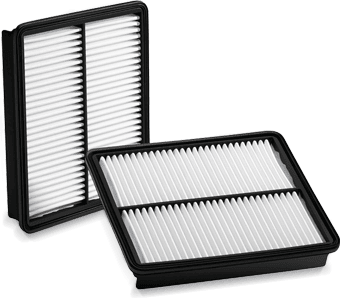
A pollen filter, also known as a cabin air filter, is a component of a vehicle's ventilation system that helps to remove pollen, dust, and other airborne particles from the air entering the cabin. It is designed to improve the air quality inside the vehicle and provide a more comfortable and healthy environment for the occupants. The filter is typically located behind the glove compartment or under the dashboard and should be replaced regularly to maintain its effectiveness. **
How do I find the pollen filter in my car?
To find the pollen filter in your car, you typically need to consult your car's owner's manual to locate its exact position. In most vehicles, the pollen filter is located behind the glove compartment or under the dashboard on the passenger side. You may need to remove the glove compartment or a panel to access the filter. Once you locate the filter, you can easily replace it by following the instructions in your owner's manual. **
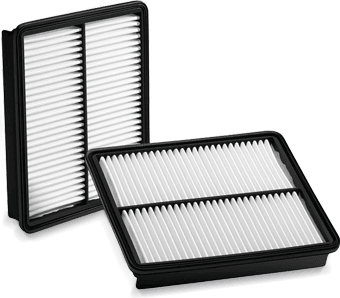

Similar search terms for ASHIKA-21-H0-H09-Pollen-filter
Top-Angebote
Products related to ASHIKA-21-H0-H09-Pollen-filter:

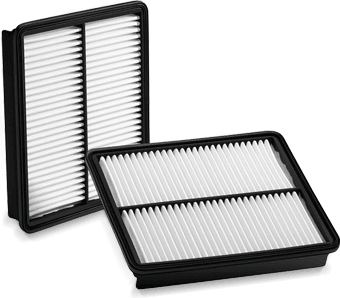
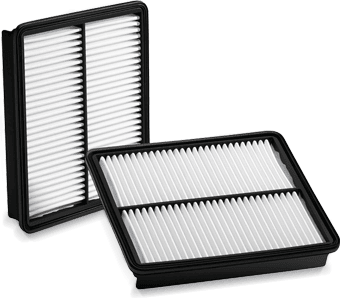
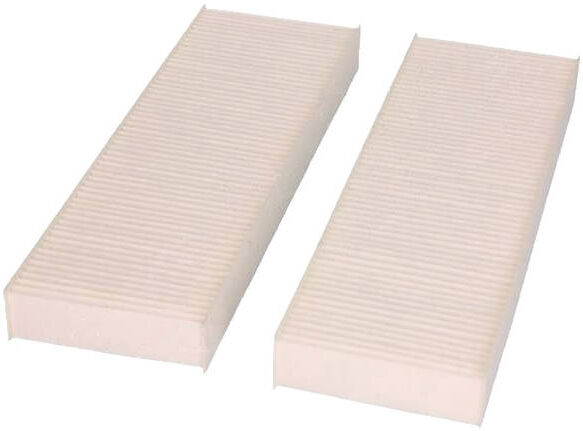
-
Cold or pollen?
It is difficult to determine whether symptoms are caused by a cold or pollen without a proper diagnosis. Both can cause similar symptoms such as sneezing, congestion, and a runny nose. However, colds are caused by viruses and can be contagious, while pollen allergies are triggered by the immune system's response to pollen particles. It is best to consult a healthcare professional for an accurate diagnosis and appropriate treatment. **
-
What is Novalis' pollen?
Novalis' pollen refers to the concept of the German Romantic poet and philosopher Novalis (Friedrich von Hardenberg) as a symbol of the transformative and life-giving power of nature. In his writings, Novalis used the image of pollen to represent the vital force that connects all living beings and sustains the cycle of life. This concept reflects his deep reverence for nature and its role in the spiritual and creative life of humanity. **
-
Do grasses produce pollen?
Yes, grasses do produce pollen. Grasses are flowering plants and their reproductive structures include male parts called stamens, which produce pollen. This pollen is released into the air and is carried by the wind to fertilize the female parts of the grass, leading to the production of seeds. This process is part of the grasses' reproductive cycle and is essential for their survival and propagation. **
-
What is the speed at h0?
The speed at h0, or height 0, is typically the initial speed of an object. At this height, the speed is usually the highest as it is the point where the object has just been released or launched. The speed at h0 can be calculated using the initial velocity of the object and any other forces acting on it, such as gravity or air resistance. **

'How do I set up h0?'
To set up h0, you will need to first define the null hypothesis, which is the statement that there is no significant difference or effect. Then, you will need to choose an appropriate statistical test to evaluate the null hypothesis. Next, you will collect the necessary data and input it into the chosen statistical test. Finally, you will interpret the results of the test to determine whether to accept or reject the null hypothesis. It is important to ensure that the test is conducted properly and that the data is analyzed accurately to make valid conclusions about h0. **
Why do pollen plants stay?
Pollen plants stay in one place because they are rooted to the ground and rely on wind, insects, or other animals to carry their pollen to other plants for reproduction. This stationary nature allows them to establish a stable root system and efficiently absorb nutrients from the soil. By staying in one place, pollen plants can also maximize their exposure to sunlight, which is essential for photosynthesis and overall growth. **
Top-Angebote
Products related to ASHIKA-21-H0-H09-Pollen-filter:
-
What is a pollen filter 2?
A pollen filter, also known as a cabin air filter, is a component of a vehicle's ventilation system that helps to remove pollen, dust, and other airborne particles from the air entering the cabin. It is designed to improve the air quality inside the vehicle and provide a more comfortable and healthy environment for the occupants. The filter is typically located behind the glove compartment or under the dashboard and should be replaced regularly to maintain its effectiveness. **
-
How do I find the pollen filter in my car?
To find the pollen filter in your car, you typically need to consult your car's owner's manual to locate its exact position. In most vehicles, the pollen filter is located behind the glove compartment or under the dashboard on the passenger side. You may need to remove the glove compartment or a panel to access the filter. Once you locate the filter, you can easily replace it by following the instructions in your owner's manual. **
-
Cold or pollen?
It is difficult to determine whether symptoms are caused by a cold or pollen without a proper diagnosis. Both can cause similar symptoms such as sneezing, congestion, and a runny nose. However, colds are caused by viruses and can be contagious, while pollen allergies are triggered by the immune system's response to pollen particles. It is best to consult a healthcare professional for an accurate diagnosis and appropriate treatment. **
-
What is Novalis' pollen?
Novalis' pollen refers to the concept of the German Romantic poet and philosopher Novalis (Friedrich von Hardenberg) as a symbol of the transformative and life-giving power of nature. In his writings, Novalis used the image of pollen to represent the vital force that connects all living beings and sustains the cycle of life. This concept reflects his deep reverence for nature and its role in the spiritual and creative life of humanity. **
Similar search terms for ASHIKA-21-H0-H09-Pollen-filter
-
Do grasses produce pollen?
Yes, grasses do produce pollen. Grasses are flowering plants and their reproductive structures include male parts called stamens, which produce pollen. This pollen is released into the air and is carried by the wind to fertilize the female parts of the grass, leading to the production of seeds. This process is part of the grasses' reproductive cycle and is essential for their survival and propagation. **
-
What is the speed at h0?
The speed at h0, or height 0, is typically the initial speed of an object. At this height, the speed is usually the highest as it is the point where the object has just been released or launched. The speed at h0 can be calculated using the initial velocity of the object and any other forces acting on it, such as gravity or air resistance. **
-
'How do I set up h0?'
To set up h0, you will need to first define the null hypothesis, which is the statement that there is no significant difference or effect. Then, you will need to choose an appropriate statistical test to evaluate the null hypothesis. Next, you will collect the necessary data and input it into the chosen statistical test. Finally, you will interpret the results of the test to determine whether to accept or reject the null hypothesis. It is important to ensure that the test is conducted properly and that the data is analyzed accurately to make valid conclusions about h0. **
-
Why do pollen plants stay?
Pollen plants stay in one place because they are rooted to the ground and rely on wind, insects, or other animals to carry their pollen to other plants for reproduction. This stationary nature allows them to establish a stable root system and efficiently absorb nutrients from the soil. By staying in one place, pollen plants can also maximize their exposure to sunlight, which is essential for photosynthesis and overall growth. **
* All prices are inclusive of VAT and, if applicable, plus shipping costs. The offer information is based on the details provided by the respective shop and is updated through automated processes. Real-time updates do not occur, so deviations can occur in individual cases. ** Note: Parts of this content were created by AI.